Back Pain Is Common - But That Doesn’t Mean You Have to Live With It
Back pain is something most of us will deal with at some point, it’s almost a rite of passage. Because your spine connects your upper and lower body and supports nearly everything you do, it’s especially vulnerable to stress, overuse, and poor movement patterns.
In this post, we’ll break down the most common causes of back pain, explain when physical therapy makes sense, and show you how a targeted, movement-based approach can help you feel better and get back to doing what you love.
Understanding Back Pain: Acute vs. Chronic
Back pain doesn’t look the same for everyone.
- Acute back pain often comes on suddenly, maybe after lifting something heavy, a workout, or an awkward movement.
- Chronic back pain lingers for weeks or months and can feel harder to shake.
Pain can stem from tight or overworked muscles, stiff joints, irritated nerves, or a combination of all three. Some people describe it as a dull ache, while others feel sharp or shooting pain. It may stay localized to your low back or travel into your hips, glutes, or legs.
If your back pain is intense, keeps coming back, or limits your ability to exercise, work, or enjoy daily life, it’s a strong sign that it’s time to get it checked out by a physical therapist.
How Physical Therapy Helps Back Pain at the Root
Physical therapy focuses on how your body moves as a whole, including your muscles, joints, tendons, and nervous system.
Your first visit starts with a conversation. Your physical therapist will ask about when your pain started, what makes it better or worse, and any habits, activities, or past injuries that could be contributing.
Next comes a thorough movement assessment. This often includes:
- How your spine moves
- Core strength and control
- Hip mobility and stability
- Posture and functional movements that may trigger symptoms
From there, your PT builds a personalized treatment plan designed around your body and your goals.
Most back pain is considered mechanical, meaning it’s related to how your body moves and loads tissue. While rest, heat, or ice may provide short-term relief, they don’t address the underlying cause. Physical therapy does, which is why it creates longer-lasting results.
What Does Physical Therapy for Back Pain Include?
Physical therapy for back pain isn’t one-size-fits-all, but it often follows a smart, progressive sequence.
1. Reduce Pain and Improve Mobility
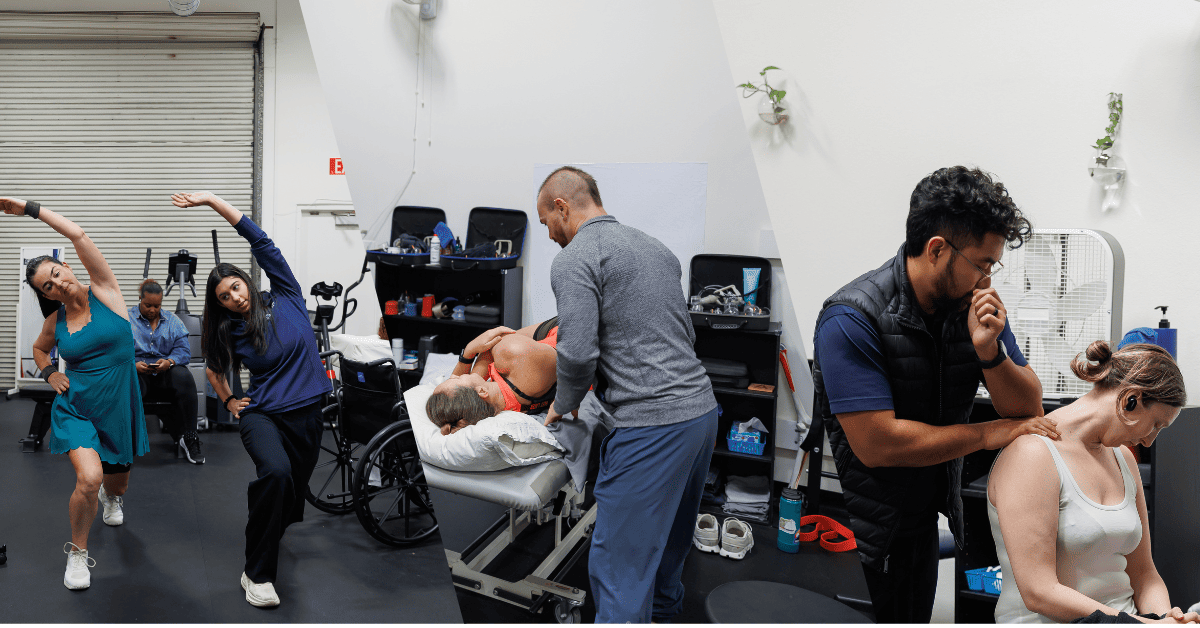
Hands-on treatments such as manual therapy, massage, cupping, or scraping help decrease tension, improve circulation, and restore movement in stiff or guarded areas.
2. Strengthen What’s Not Doing Its Job
Back pain often develops because certain muscles aren’t contributing the way they should. These “sleepy” muscles (often in the core or hips) are gradually reactivated to better support your spine.
3. Fix Faulty Movement Patterns
As pain improves, the focus shifts to retraining how you move. Your physical therapist helps correct inefficient or compensatory patterns so your body can handle daily and athletic demands more effectively.
Throughout the process, your plan is adjusted based on how you’re responding. This combination of hands-on care and targeted exercise is what leads to meaningful, lasting relief.
Common Questions About Physical Therapy for Back Pain
How often will I need to come in?
Most people attend physical therapy one to two times per week for about six to twelve weeks. Your plan is always customized based on your goals, schedule, and how your body responds.
Is back pain something to be worried about?
Back pain can feel scary, but it’s extremely common, and very treatable. Physical therapists are trained to identify what’s driving your pain and guide you safely back to movement and confidence.
You Don’t Have to Let Back Pain Control Your Life
If back pain is disrupting your routine, workouts, or quality of life, a physical therapy evaluation can be the first step toward breaking the cycle.
If this post resonates with you, feel free to download our free back pain e-book, reach out with questions, or explore more resources on our website. And if you’re in the San Diego area, we’d love to help you in person.
Schedule a free 30-minute targeted relief session to get answers, clarity, and a plan, with the goal of having you walk out feeling better than when you walked in.

%20(1)%20(1).png?width=1200&height=628&name=Freedom%20from%20Imaging%2c%20Surgery%2c%20Pain%20Medications%20%26%20Injections%20(1)%20(1)%20(1).png)

%20(1).png?width=1200&height=628&name=Freedom%20from%20Imaging%2c%20Surgery%2c%20Pain%20Medications%20%26%20Injections%20(1)%20(1).png)