At Advanced Physical Therapy & Wellness, we believe strongly in mentorship, growth, and developing the next generation of exceptional physical therapists. Recently, we had the opportunity to live that out by welcoming our very first physical therapy clinical student, Ryan Alrayyan, from St. Augustine University in San Marcos.
Clinical rotations are a major milestone in PT school. By this point, students have completed the bulk of their coursework and are stepping into real-world patient care, working hands-on with patients under the guidance of licensed physical therapists. It’s challenging, demanding, and incredibly formative.
On Ryan’s last day in the clinic, we sat down to reflect on his journey, what inspired him to become a physical therapist, what PT school is really like, and what he learned during his first clinical experience in a one-on-one, cash-based clinic.
What Inspired Ryan to Become a Physical Therapist
Ryan didn’t start college knowing he wanted to be a physical therapist. Coming from a family full of engineers, that initially seemed like the likely path. Everything changed when his mom began going through her own health challenges and required physical therapy.
Ryan was the one taking her to appointments, observing how therapists worked with her, and learning what he could do at home to support her progress. Seeing firsthand how movement, education, and hands-on care could improve someone’s life sparked a deeper curiosity.
He described it as becoming a “mechanic of the body”, learning how things work, what’s not functioning well, and how to help restore movement. That experience ultimately led him to pursue physical therapy.
The Reality of PT School
PT school is intense, there’s no way around it. Ryan shared that while he expected graduate school to be challenging, the workload and pace were still a shock at first. Unlike undergrad, where you might get by even if you slack off occasionally, PT school requires consistency, discipline, and strong time management.
Another adjustment is realizing that everyone around you is smart and motivated. PT school is difficult to get into, so students are no longer the “easy standout” they may have been before. Learning how to balance studying, personal time, and avoiding burnout becomes just as important as mastering the material itself.
Stepping Into the First Clinical: Nerves Meet Reality
Going into his first clinical rotation, Ryan felt both excited and nervous. Up until that point, most of his hands-on experience had been with classmates, essentially practicing on people pretending to be patients.
Treating real patients with real pain is different. There’s the pressure of wanting to help, not wanting to hurt anyone, and learning how to build trust with patients who may already have an established relationship with their physical therapist.
The First Weeks at Advanced Physical Therapy & Wellness
Ryan’s early days focused on shadowing and understanding the flow of the clinic. One thing that stood out immediately was that not all PT clinics are the same.
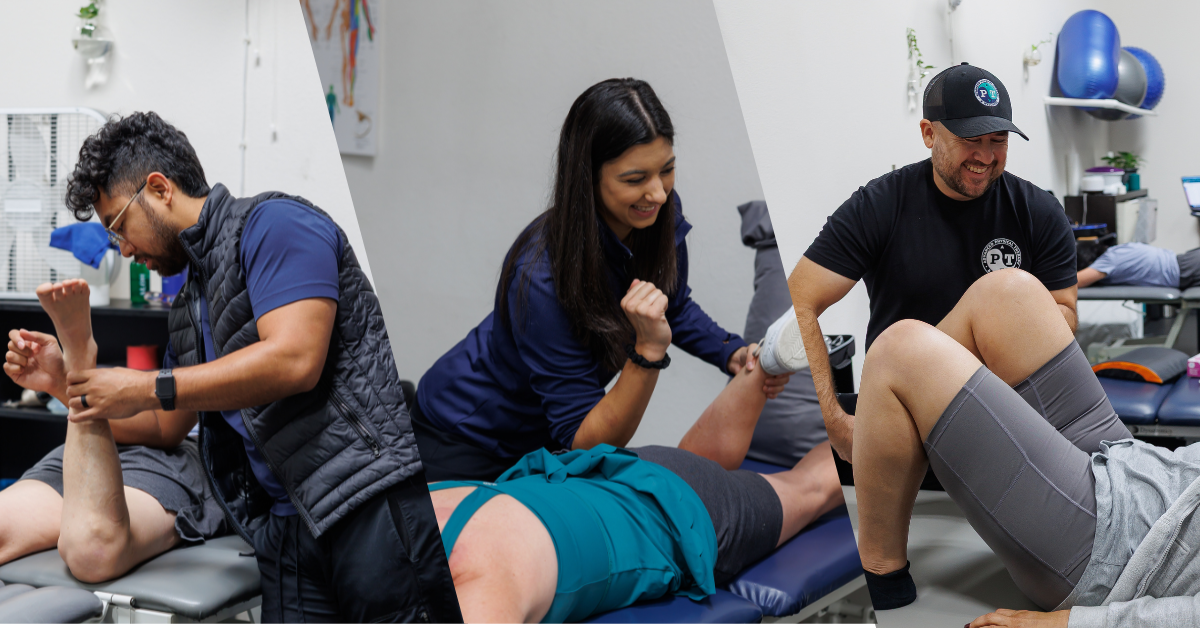
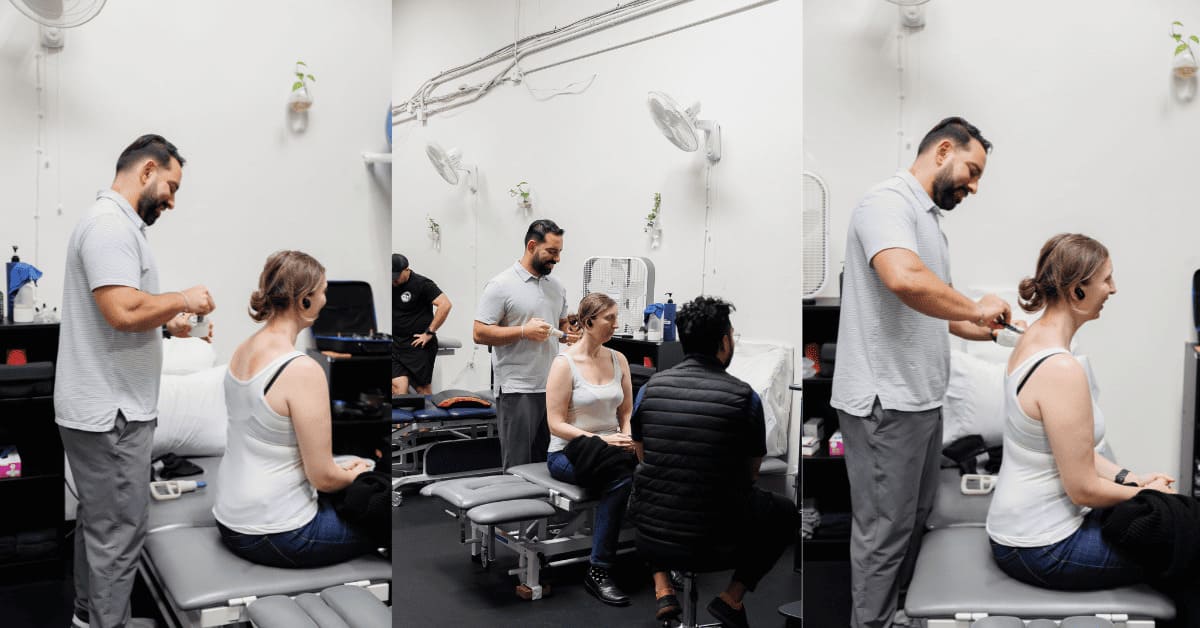
At Advanced Physical Therapy & Wellness, care is one-on-one and highly individualized. Patients aren’t rushed through exercises or handed off to aides. Ryan appreciated the opportunity to observe closely, ask questions, and connect what he had just learned in class to real patient care.
He often found himself thinking, “I just learned this, I remember how to do this, I can apply it right now.” That connection between classroom learning and real-life treatment helped build confidence quickly.
Growth, Confidence, and Patient Communication
As the weeks went on, Ryan became more comfortable working directly with patients. He learned that patients often guide the process, communicating what feels helpful, what doesn’t, and what they want to focus on.
Rather than feeling like he needed to have every answer, Ryan learned how powerful it is to listen and adapt treatment in real time. With guidance and feedback from his clinical instructor, he began refining his clinical reasoning and hands-on skills.
Learning the Challenge of Time Management
One of the biggest challenges Ryan faced surprised him: time management.
In a one-hour, one-on-one session, it’s easy to feel like you have unlimited time. Ryan initially focused heavily on manual therapy, wanting to do it well and help patients feel better. Over time, he realized how important it is to balance everything: the subjective history, hands-on treatment, exercise, patient education, documentation, and adjusting the plan if something isn’t working.
Patients sometimes arrive late, sessions run long, or a treatment doesn’t produce the expected relief. Ryan learned that even with a solid plan, clinical care requires flexibility and real-time problem solving.
Interestingly, this is something we often see with therapists new to this setting. In insurance-based clinics with short visits, time management can feel simpler because there’s only time for one or two things. In a one-hour session, the challenge becomes figuring out how to get the most value for the patient without losing structure.
Experiencing a Cash-Based, One-on-One Model
One of Ryan’s favorite parts of the experience was working in a cash-based, direct-pay physical therapy clinic.
Many patients come to us after trying traditional clinics where visits felt rushed or exercise-only. Ryan noticed how much patients valued the hands-on care, individualized attention, and uninterrupted time with their physical therapist.
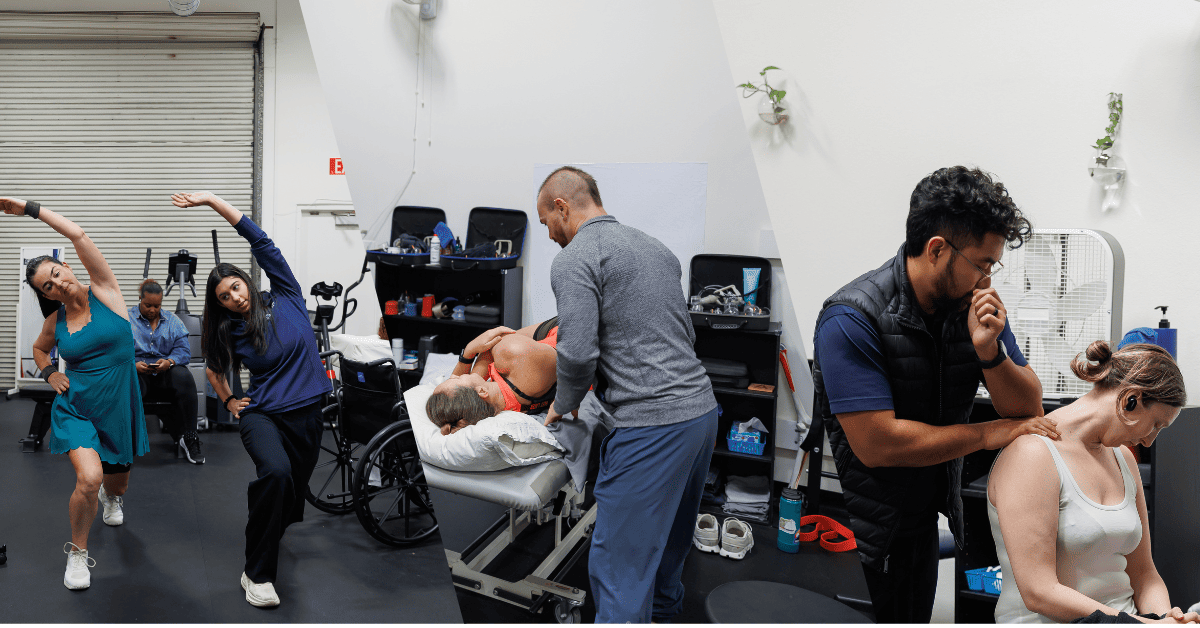
Patients here are active, runners, CrossFitters, gym-goers, and they want to stay that way. They appreciate being involved in their care, setting goals collaboratively, and understanding how what they do at home supports what happens in the clinic.
Ryan also enjoyed seeing how creative treatment sessions could be. There’s no cookie-cutter approach. Every exercise and manual technique is chosen intentionally to help the patient move better and reach their goals.
Shaping What Comes Next
While Ryan still has multiple clinical rotations ahead, including inpatient and more insurance-based settings, this experience helped clarify what he values in patient care.
He shared that he appreciates how this clinic treats patients and runs its business, even though he knows his journey is far from over. Comparing different environments over longer rotations will give him even more clarity as graduation approaches.
Investing in the Future of Physical Therapy
Hosting our first clinical student was a meaningful experience for our entire team. It was incredibly rewarding to watch Ryan grow in confidence, skill, and clinical reasoning over just six weeks.
Clinical education doesn’t just shape students, it strengthens the profession. It ensures future physical therapists understand the value of individualized care, critical thinking, and truly listening to patients.
Ryan, we’re grateful you chose Advanced Physical Therapy & Wellness for your first clinical rotation. It’s been a pleasure watching you grow, and we’re excited to see where your career takes you next.